So, I know I haven’t done the collects for the last couple of weeks. At least the last thing I wrote was about failure, eh?
Those collects will be covered, hopefully next week, but today we look at something else – the feast of the annunciation. If you’re someone who says the countdown to Christmas gets earlier every year, this is the festival for you. Only 9 months (275 shopping days) until Christmas Day!
You might think that, granting that the nine month timeline sort of fits, this is really a random bit of Christmas inserted into Lent. For a while, I used to celebrate the Annunciation nine days before Christmas, because it seemed to fit the logic of the year better.
The collect for today, however, takes a different route. Rather than leaving Lent and preparations for Easter to one side in order to think about Christmas for the day, it links the two together.
WE beseech thee, O Lord, pour thy grace into our hearts; that, as we have known the incarnation of thy Son Jesus Christ by the message of an angel, so by his cross and passion we may be brought unto the glory of his resurrection; through the same Jesus Christ our Lord. Amen.
It’s really impossible not to think of Christmas when you read the appointed readings for today. Isaiah 7, and the story of the annunciation itself in Luke 1, are both classic Christmas readings. Today we rejoice once more in the message of the Angel Gabriel that Jesus will sit on David’s throne forever, bringing God’s kingdom. More than that, we rejoice that the king is none other than the Son of God incarnate.
The virgin birth teaches us two things about the salvation we find in Jesus. Firstly, it shows us that salvation comes by grace through faith in God’s word. In Isaiah, the prophecy of the virgin birth is a sign to Ahaz that God is with Israel to deliver. In Ahaz’s case, despite God’s word of grace, he is not firm in faith, and so is not firm at all (7:9).
By contrast, the Angel Gabriel announces a message of grace to the Blessed Virgin Mary. She is ‘richly favoured’ and has ‘found favour with God’. Indeed, when she visits Elizabeth later on in the chapter (which is the reading for Morning Prayer in the BCP today) she confesses that ‘God [her] saviour… has done great things for [her]’ and Elizabeth rejoices that she is ‘blessed among women’ i.e. the most blessed woman.* Mary receives this grace by faith in God’s word of promise – seen in her reply ‘let it be to me according to your word’ and Elizabeth’s statement ‘blessed is she who believed that there would be a fulfilment of what was spoken to her from the Lord’. Without wishing to imply that the debates between Reformed and Catholic interpretations of Scripture can be so easily settled, Mary’s annunciation highlights her as an icon of Reformed spirituality.
The virgin birth also shows us that salvation represents a new start for humanity. Mary is the culmination of a longstanding theme of surprising or long hoped for pregnancies in the Scriptures, all of which signal fundamental new starts for God’s people. Sarah’s child Isaac represents the beginning of Abraham’s offspring ‘in whom all the nations will be blessed’. Naomi’s child by Ruth, Obed, gives rise to the line of David, from which the Christ came. Hannah’s child, Samuel, represents a fundamental change of regime for God’s people, again connected with the rise of the monarchy.
Mary’s child, however, represents a more fundamental restart for God’s people. As the New Adam, he brings about a new humanity and is the seed of the woman who will crush the serpent’s head. Jesus fulfils God’s word to Eve, and is the antitype of all the previous surprising births. The Common Worship lectionary assigns Romans 5:12-21 for today to underline this fact, and to remind us of the ‘one act of righteousness’ by which Jesus undid the fall of Adam, namely, his death on the cross. Through his death, believers in Jesus have confidence that they will ‘reign in life’ at the resurrection. In this way, the themes of Christmas incarnation and Good Friday-Easter redemption are married together.
These truths hit differently in Lent than they do at Christmas. In the context of several weeks of reflection on the wretched state of our hearts, and the persistent failure of our lives, the need for a new Adam becomes all the more apparent. In the words of John Henry Newman’s hymn:
O loving wisdom of our God!
Praise to the Holiest in the Height
When all was sin and shame,
a second Adam to the fight
and to the rescue came.
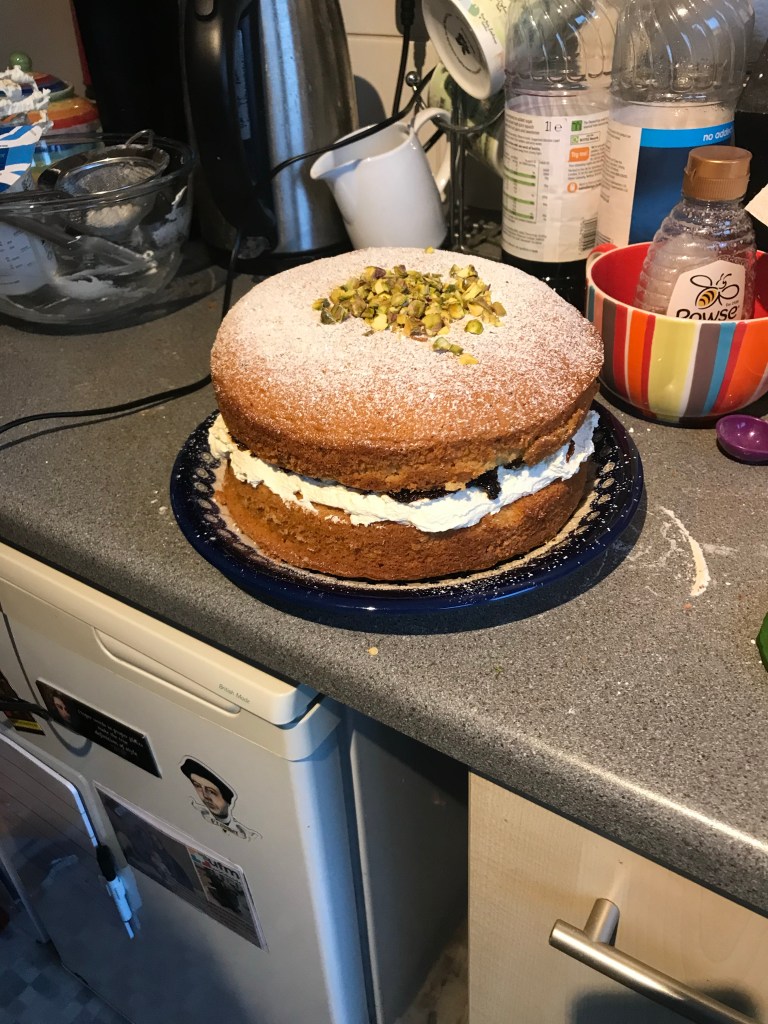
We actually spent the day visiting friends in London today, so apart from talking about it at morning prayer, we haven’t done most of our usual traditions for celebrating the Annunciation this year. Normally we take a break from whatever our Lent discipline might be (we did do that this year).
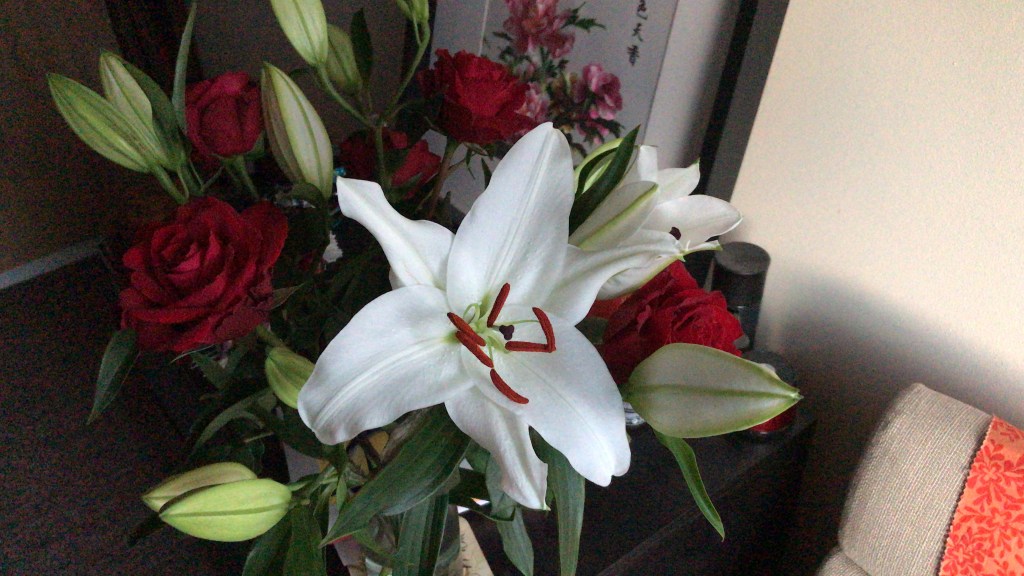

*Incidentally, while I understand a certain reticence among Evangelicals about celebrating Mary, given the excesses of devotion paid to her in other quarters, it is worth considering what downplaying the most blessed woman ever to live says about the relationship between God and women more broadly. If you don’t celebrate Mary, which women do you celebrate and why?

 Christ and Calendar